

Health Tourism Email Marketing
In digital marketing for health tourism, email marketing is one of the cost-effective marketing methods. The aim of email marketing in health tourism is to create content to establish communication and attract the attention of potential customers.
You can send emails to a large number of potential customers simultaneously. There is no limit to the number of emails you can send to potential customers. Email marketing also allows you to track whether your emails have been read, whether website links have been clicked, and your social media visits. This data provides information about the effectiveness of your campaign. Email marketing also helps increase traffic to your website.
Including an unsubscribe link in your emails is important for potential customers. Not sending emails to customers who don’t want to follow you will prevent them from complaining and adding you to their spam category.
To expand your email list, you can add an email newsletter subscription area to your website; potential customers coming from this area can be considered relevant. This is much higher quality than email addresses automatically pulled from meta-ads.
To give an example from market research, 81% of users in the USA check their emails at least once a day. Therefore, there are countries where it has a significant impact on health tourism.
Welcoming Email
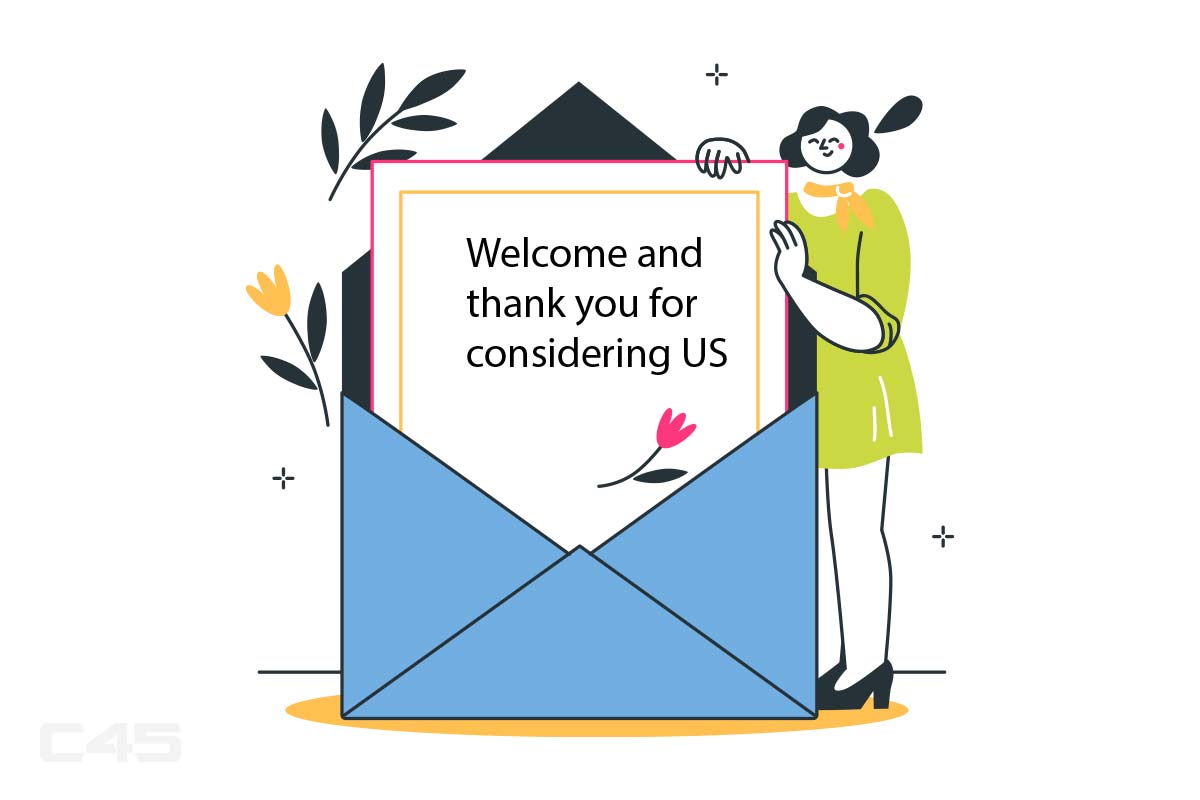
Sending an automated welcome email to a potential client will make you appear more professional. The content should thank you for your inquiry, provide contact information, links to your social media accounts, your company vision, and include details about the treatment you are seeking and the contact person responsible for that treatment. It should be concise enough to inform the client effectively, yet comprehensive enough to avoid overwhelming them.
The importance of personalization
In health tourism email marketing, while sending emails with the client’s name has become standard practice, it’s still an important aspect. Creating lists tailored to your potential clients by country, age, and gender, and planning a campaign based on these criteria, increases engagement.
Email campaigns that include special discount codes, or emails commemorating special occasions, drive communication conversion.
“Your email content needs to be original. You must give people a reason to read it, and you must produce original content.”
“50% of emails are accessed from mobile devices. Therefore, it is important that your email is mobile-friendly.”
The First Email in History
Ray Tomlinson, an engineer at Arpanet (Defense Advanced Research Projects Unit), a distribution network affiliated with the United States Department of Defense, sent this email in 1971. The email text was “QWERTYUIOP”. He also chose the “@” symbol.

Email Marketing Terms
- Auto-Responder: A platform or software that automatically responds to your incoming emails. Bounce Message: A message notifying you of undelivered emails.
- Click-Through Rate: Calculated by dividing the click-through rate of a sent email by the total number of emails sent; used for performance analysis.
- Complaint Rate: The percentage of emails marked as spam.
- Conversion Rate: The rate at which emails are returned.
- Double Opt-In: A second confirmation process for users wishing to unsubscribe from an email list. A ridiculous “Are you sure?” question screen; not recommended.
- Double Opt-Out: A confirmation email sent to a user who wants to unsubscribe from your email list. Hard Bounce: Indicates that the email address is invalid or closed.
- IMAP – POP3: Two protocols that need to be integrated into your email marketing platform or software for measurement purposes.
- Open Rate: The percentage of emails sent that have been viewed.
- Soft Bounce: Refers to emails that could not be delivered due to server issues.
- Unsubscribe Rate: The percentage of users who want to unsubscribe from your campaign.

