

Medicine in Ancient Times
Medicine is one of the oldest professions in the world. According to many sources, in the earliest known times of history, doctors, sometimes described as sorcerers, were believed to possess not only healing powers but also supernatural abilities.
Even in ancient times, when communication was almost nonexistent, people found ways to seek treatment from tribes that had doctors. This shows us that the history of health tourism dates back to ancient times.
Prehistoric medicine involved the use of natural resources (medicinal plants and animal-derived foods), as well as spiritual beliefs, rituals, and shamanism. The source of this knowledge is cave wall paintings and papyri. To give some examples:

- Medicine in Ancient Mesopotamia: Diseases were thought to be caused by supernatural forces and the wrath of the gods, and herbal and physical treatments were also applied. Medical knowledge was recorded on clay tablets using cuneiform writing. Treatments and Practices: Findings include the use of bandages, creams, and pills; bloodletting and simple surgical treatments such as tooth extraction; and spells and rituals to exorcise evil spirits that caused disease. Information Sources: Stol, M. (1993). Epilepsy in Babylon. Brill. / Geller, MJ (2010). Ancient Babylonian Medicine: Theory and Practice. Wiley-Blackwell. / Scurlock, J. and Andersen, BR (2005). Diagnoses in Assyrian and Babylonian Medicine: Ancient Sources, Translations, and Modern Medical Analyses. University of Illinois Press.
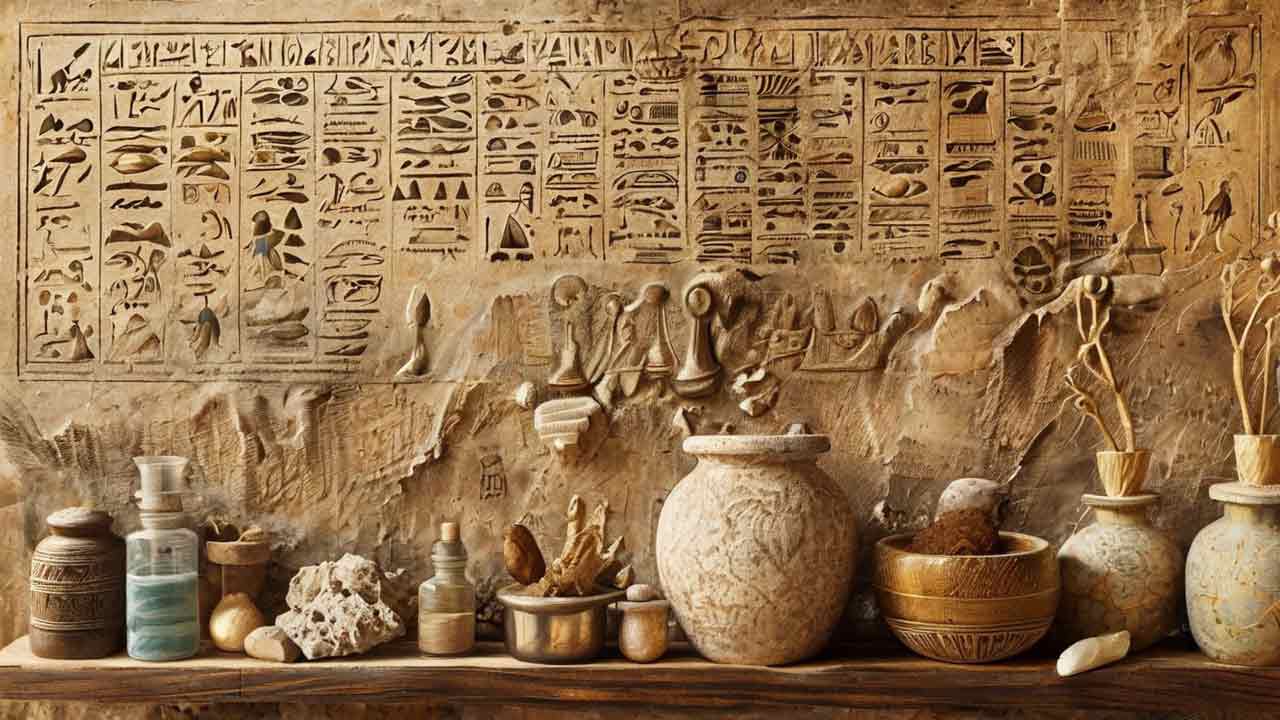
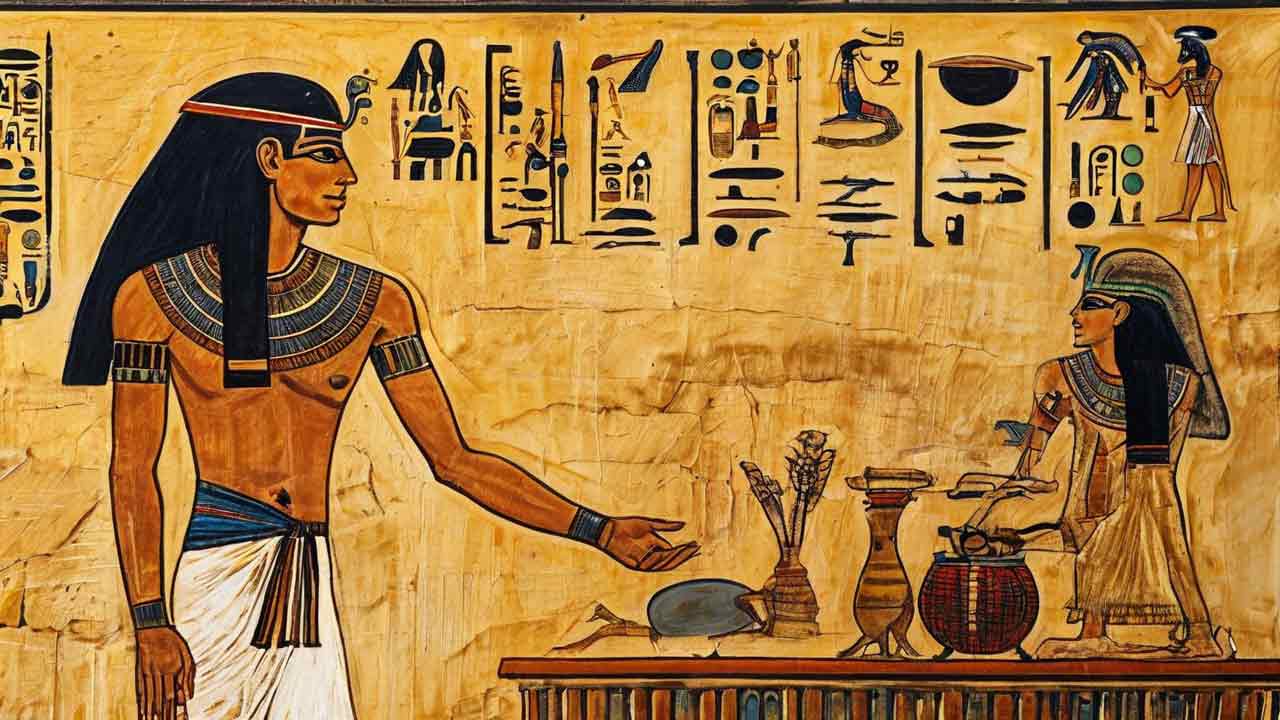
- Medicine in Ancient Egypt: They possessed a remarkably advanced knowledge of treatment for their time. In Ancient Egypt, doctors used medicinal herbs and minerals in their treatments. Honey, willow, and acacia were used in treatments. Surgical treatments such as suturing wounds and healing broken bones were also practiced. Ancient Egyptian medicine made significant contributions to subsequent civilizations. Sources: Nunn, JF (1996). Ancient Egyptian Medicine. University of Oklahoma Press. / Ghalioungui, P. (1987). Pharaonic Egyptian Physicians. American University Press in Cairo. / Ritner, RK (2000). Edwin Smith Surgical Papyrus: Translation and Commentary. In Edwin Smith Papyrus: An Updated Translation of Trauma Review and Modern Medical Commentary. Lockwood Press.
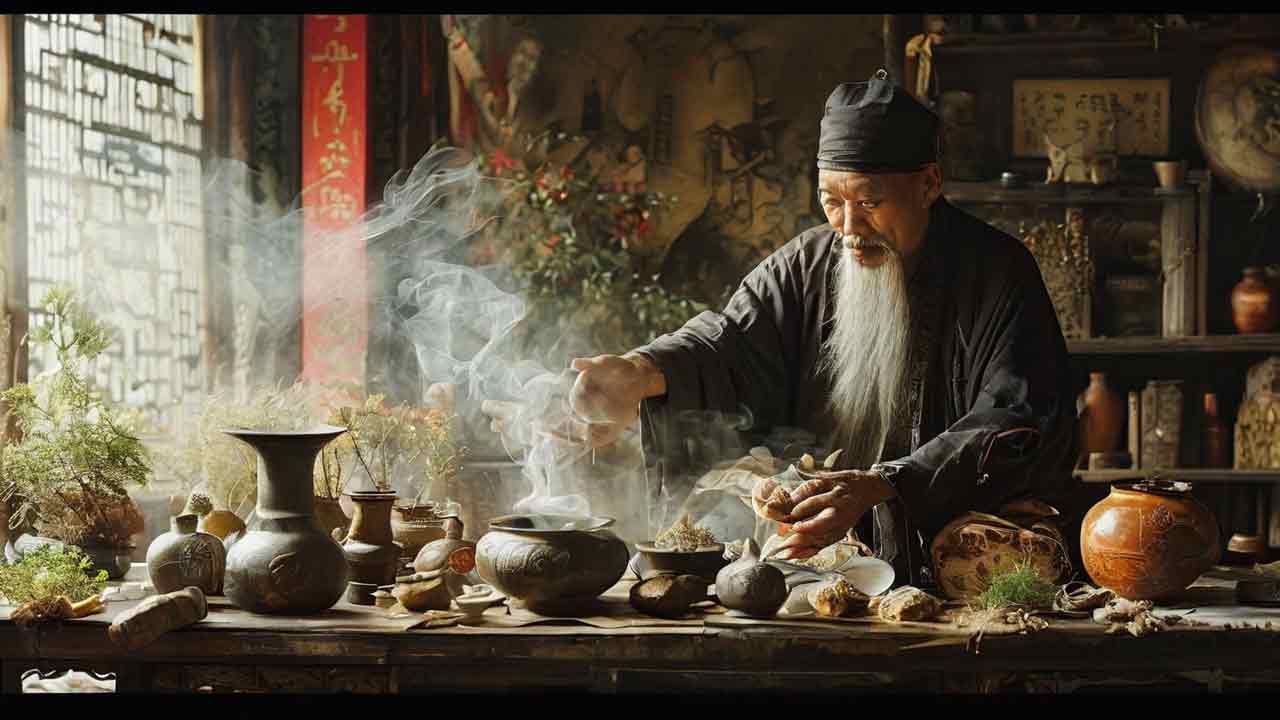
- Medicine in Ancient China: Treatments are based on the intertwining of philosophical concepts such as Yin & Yang balance and the flow of vital energy. The balance of Body, Mind, and Spirit is considered. Observation, research, and pulse are particularly important in diagnosis. In addition to acupuncture used for chronic diseases and pain, herbal remedies were also employed. Sources: Unschuld, PU (1985). Medicine in China: A History of Ideas. University of California Press. / Sivin, N. (1993). Traditional Medicine in Contemporary China. Center for Chinese Studies, University of Michigan. / Lo, V. (2001). Perfecting Practice: Medicine in Pre-Modern China. Transformations of Asia. Routledge.

- Ancient Indian Medicine: Known as Ayurveda (Ayur: Life, Veda: Knowledge or Science). It includes preventive health services alongside diet and herbal remedies. It encompasses yoga and meditation treatments. Sources of Information: Sharma, H. (2013). Ayurveda: The science of life. Indian Journal of Medical Research, 138 (4), 531–536. / Patwardhan, B. and Bodeker, G. (2008). Ayurvedic genomics: Establishing a genetic basis for mind-body typologies. Journal of Alternative and Complementary Medicine, 14 (5), 571–576. / Mishra, LC, Singh, BB and Dagenais, S. (2000). The scientific basis of the therapeutic use of Withania somnifera (ashwagandha): a review. Alternative Medicine Review, 5 (4), 334–346.
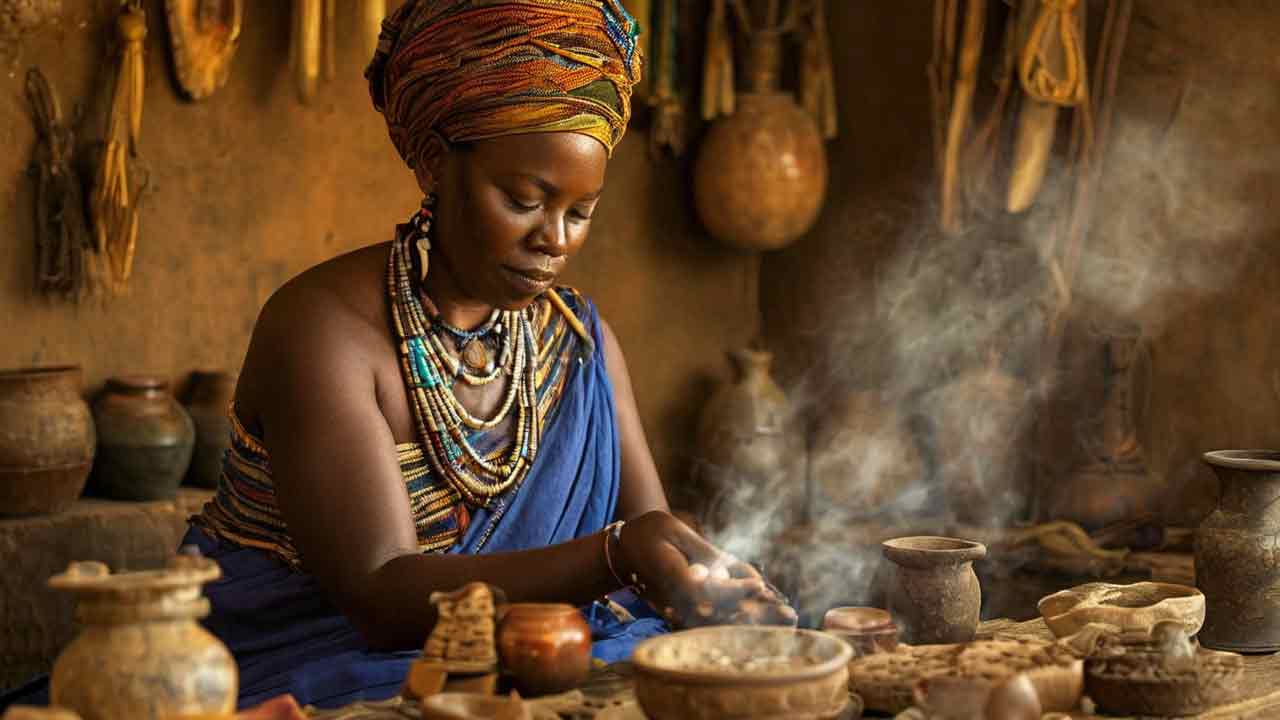
- Medicine in Ancient Sub-Saharan Africa: Traditional healers, revered in their societies, held titles such as Doctor, Psychiatrist, and Priest. They used antiseptics and healing ointments for wound treatment, alongside bone fixation and minor surgical procedures. They also excelled in midwifery. Sources: Chavunduka, GL (1994). Traditional Medicine in Modern Zimbabwe. University of Zimbabwe Press. / Osseo-Asare, AD (2014). Bitter Roots: The Quest for Medicinal Herbs in Africa. University of Chicago Press. / Quigley, M. (2004). Traditional Healing in Southern Africa. Juta & Company Ltd.
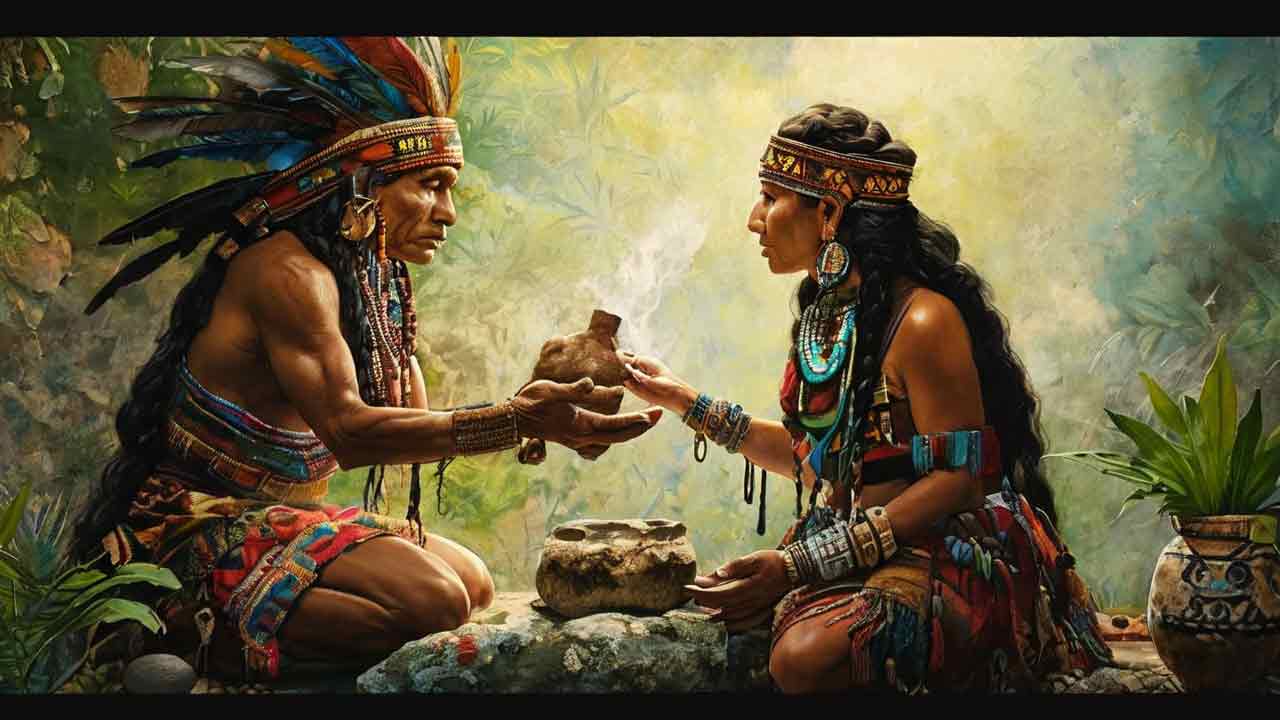
- Medicine in Ancient Maya: In ancient Maya, doctors known as “Ah-Men” used herbal remedies. They were knowledgeable about plants, plant roots, and medicinal herbs. There is also information about jade and turquoise being placed in teeth and the skull being surgically opened. They approached treatment holistically, considering both body and mind. Some of the plants used by the Maya are being studied and used in modern alternative medicine. Information Sources: Lozoya, X. (1994). Ethnobotany of the Maya: Maya medicinal flora. Annuals of the Missouri Botanical Garden, 81(1), 205–211./ Vogel, VJ (1970). American Indian Medicine. University of Oklahoma Press. / Berlin, B. and Berlin, EA (1996). Medical Ethnobiology of the Highland Maya of Chiapas, Mexico. Princeton University Press.
- Medicine in Ancient Greece: The Hippocratic Oath, the documentation of medical education, dates from this period. Greek medicine is also important in the history of medicine because it shifted from mystical beliefs to a more experimental and observational approach. Galen’s concept of the dependence of health on the four bodily fluids belongs to this period. Sources: Joanna, J. (2012). Hippocrates. Johns Hopkins University Press. / Lloyd, Germany (1975). The Writings of Hippocrates. Penguin Classics. / Kral, H. (2001). Greek and Roman Medicine. Bristol Classics Press.
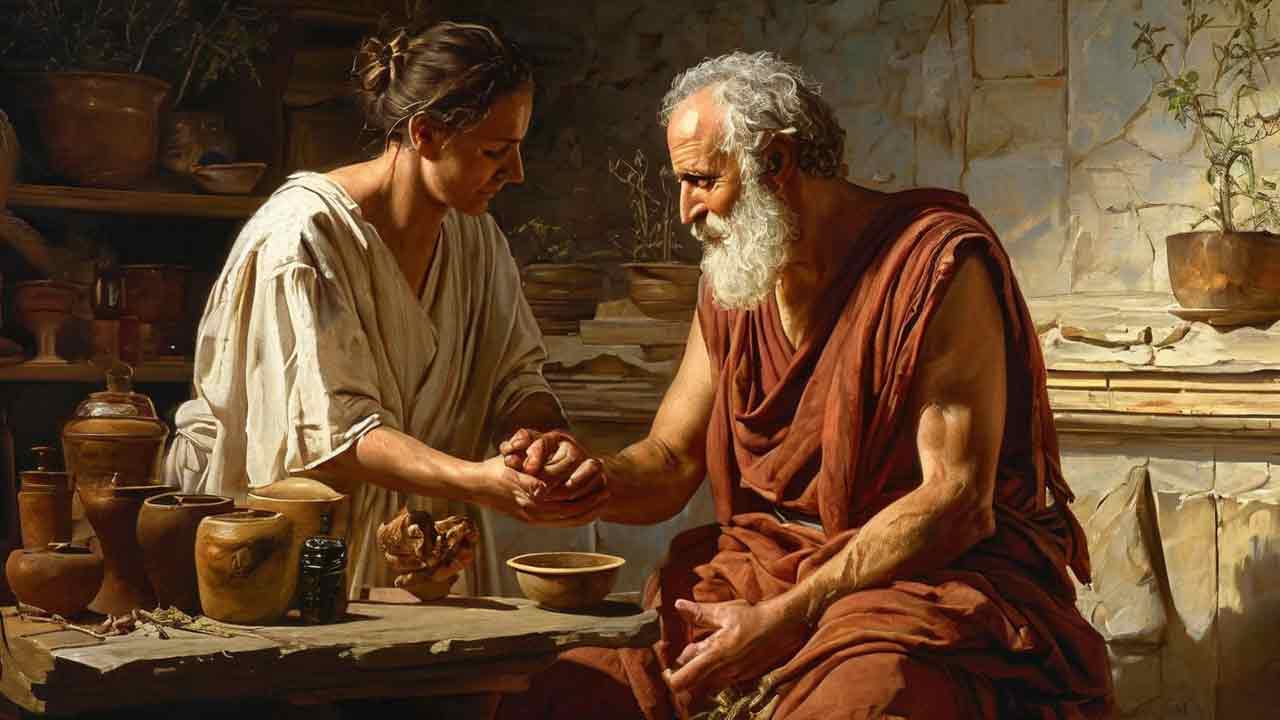
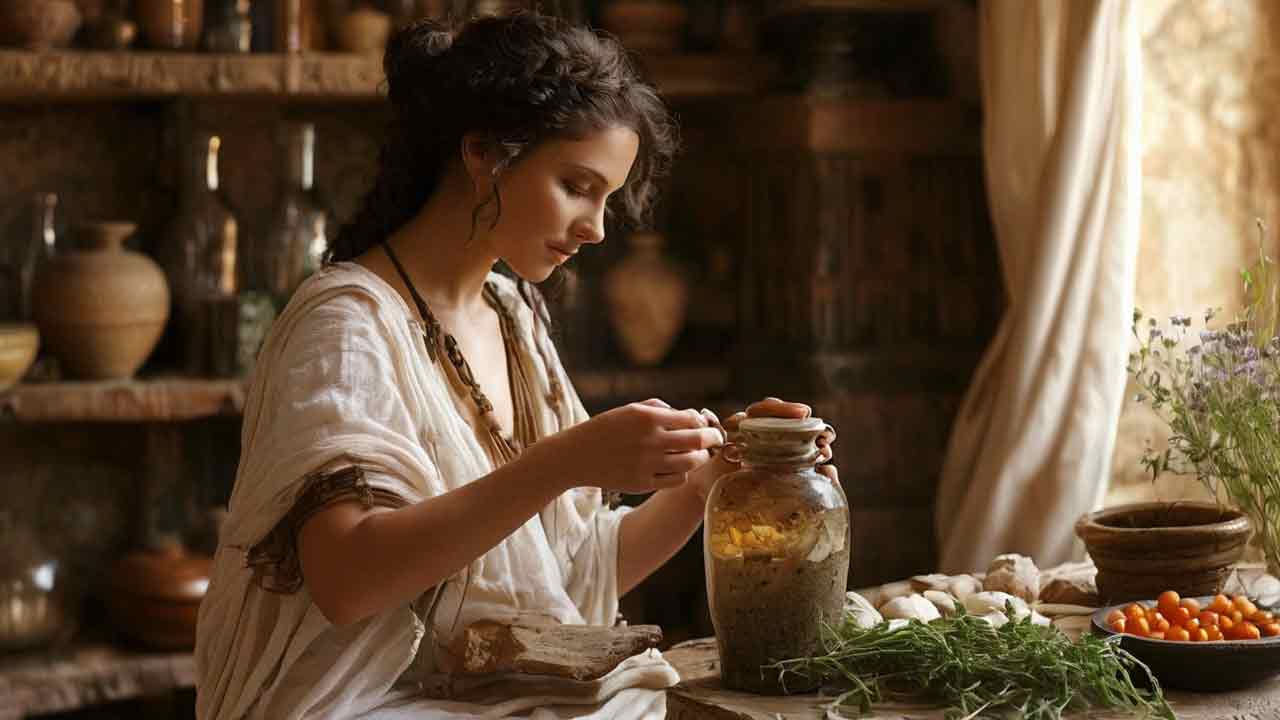
- Medicine in Ancient Rome: Influenced by ancient Greek medicine, Roman medicine made significant contributions to history. Surgical procedures such as cataract surgery, as well as the use of medicinal herbs, ointments, and dietary regimens in treatment, all date back to this period. Sources: Nutton, V. (1990). Medicine in Ancient Rome. British Medical Journal. / Scarborough, J. (1982). Roman Medicine. Cornell University Press. / Jackson, R. (2015). Doctors and Diseases in the Roman Empire. University of Oklahoma Press.
- Islamic Medicine in the Middle Ages: This period spans from the 8th to the 14th centuries. Islamic scholars gathered and synthesized information from Greek, Roman, Persian, and Indian sources. Physicians such as Ibn Sina (Ibn Sina) and Al-Razi (Rhazes) played significant roles. They made major contributions to the establishment of hospitals and the development of pharmacies. Sources of Information: Savage-Smith, E. (1995). Islamized Celestial Spheres: History, Construction, and Use. Smithsonian Institution Press. / Pormann, PE and Savage-Smith, E. (2007). Medieval Islamic Medicine. Georgetown University Press. / Ullmann, M. (1978). Islamic Medicine. Edinburgh University Press.
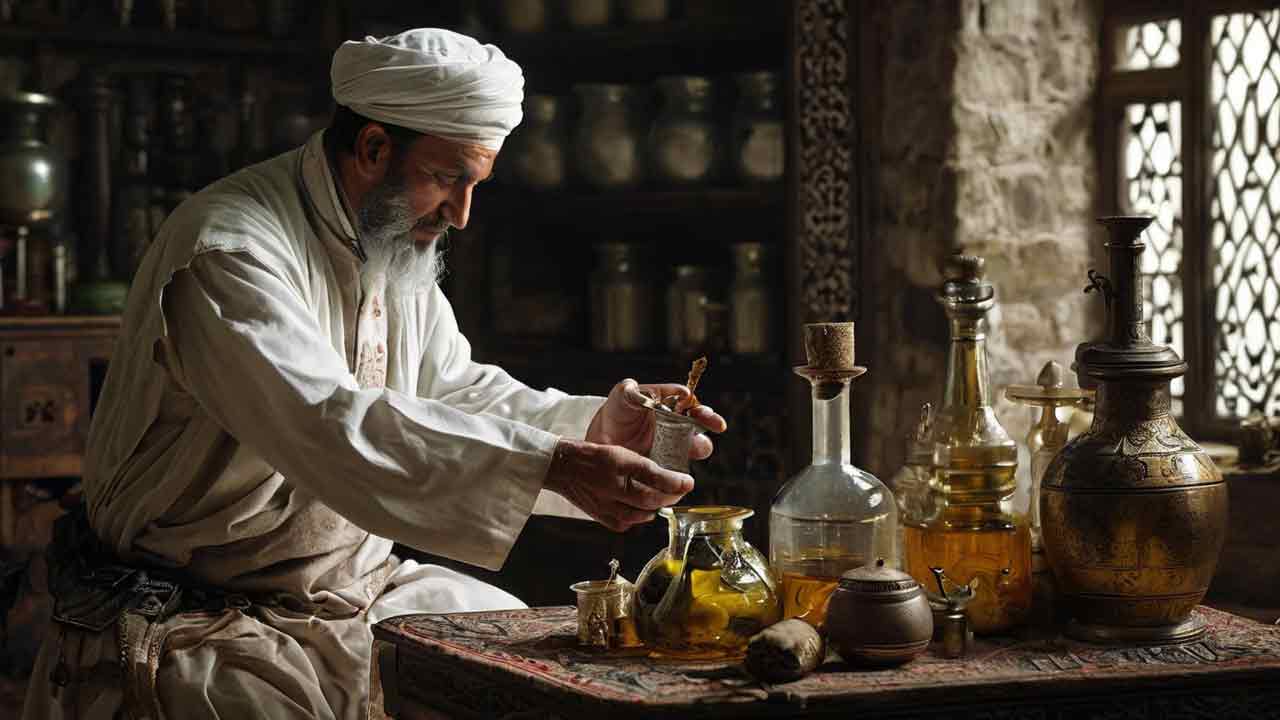
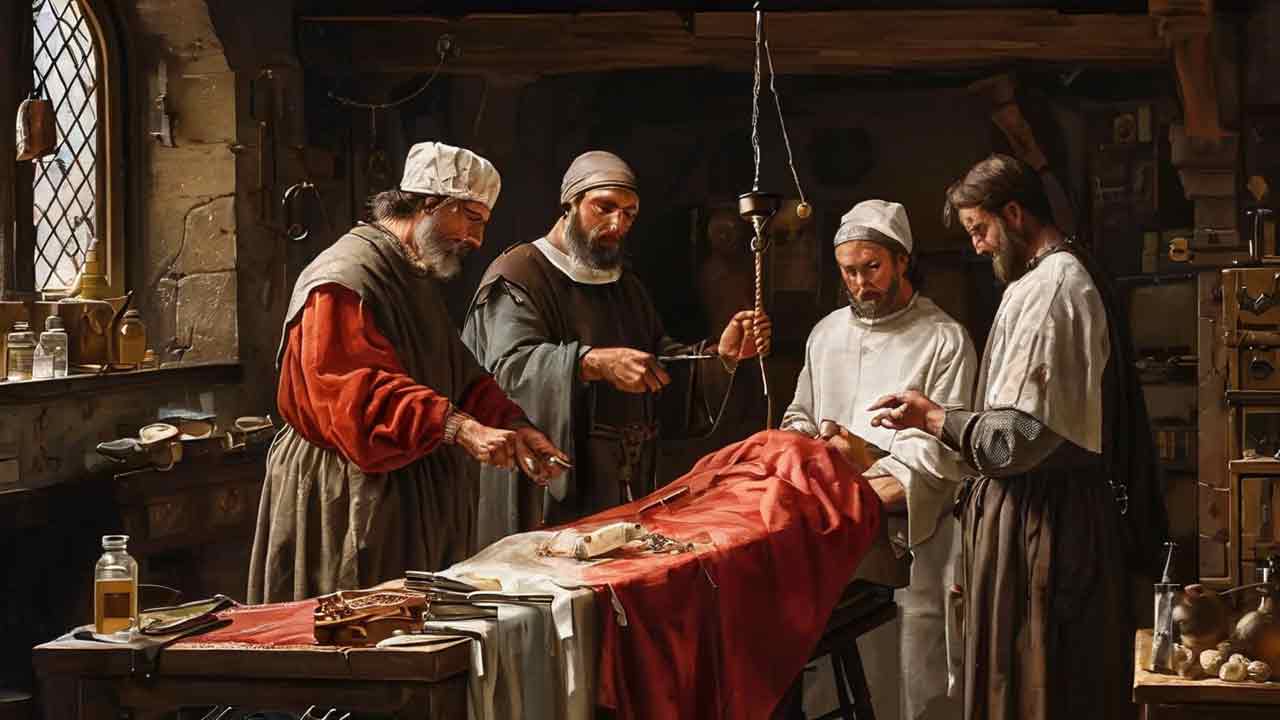
- Medieval European Medicine: Spanning from the 5th to the 15th centuries, it was influenced by Greek and Roman physicians as well as local folk traditions. During this period, monasteries served as centers of knowledge and care, as well as being responsible for preserving medical texts and providing medicines. The establishment of universities towards the end of the Middle Ages made significant contributions. Sources of Information: Siraisi, NG (1990). Medieval and Early Renaissance Medicine: An Introduction to Knowledge and Practice. University of Chicago Press. / Getz, FM (1998). Healing and Society in Medieval England: A Middle English Translation of Gilbertus Anglicus’ Pharmaceutical Writings. University of Wisconsin Press. / Porter, R. (1997). The Greatest Benefit to Humanity: Humanity’s History of Medicine. WW Norton & Company.
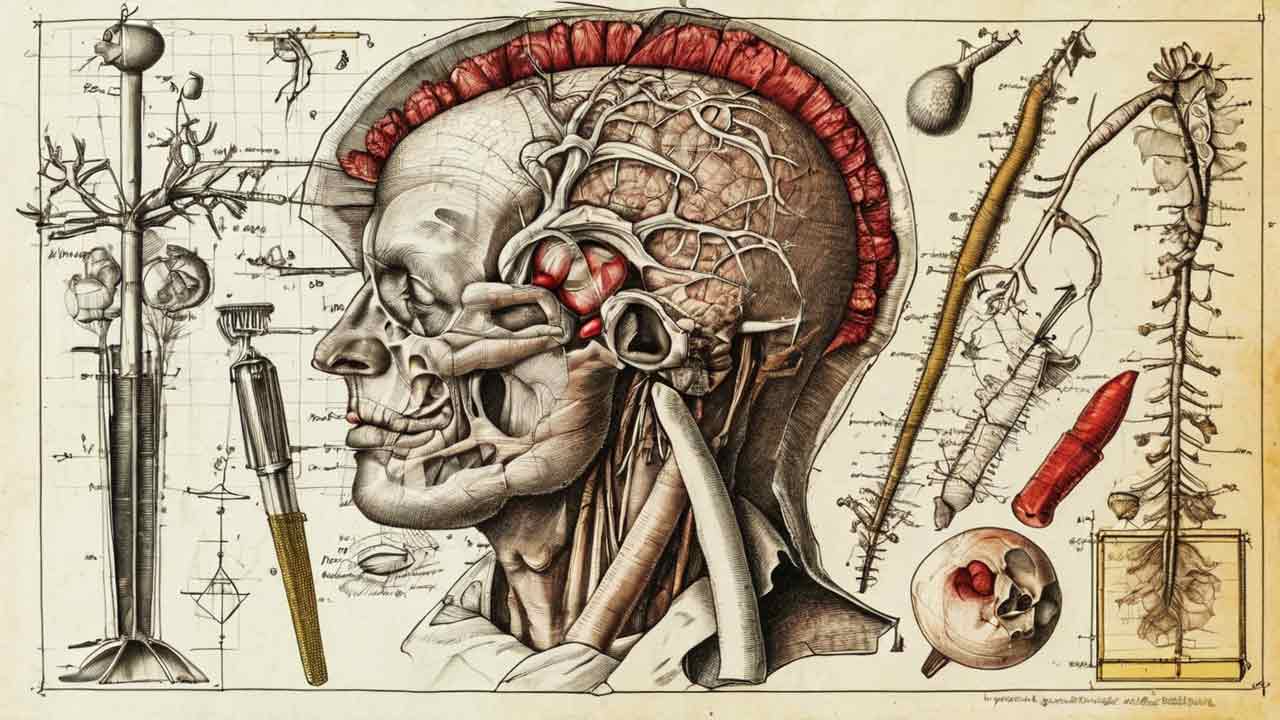
- Medicine in the Renaissance: Spanning from the 14th to the 17th centuries. During this period, the pioneering anatomical works of Andreas Vesalius challenged previous misconceptions and laid the foundations of modern anatomy. Contributions from this period include detailed anatomical drawings and a better understanding of the circulatory and nervous systems. Sources: Siraisi, NG (1997). Vesalius, Andreas: The Renaissance Reform in Medical Anatomy. Journal of the History of Ideas. / Aşınma, A. (2000). Knowledge and Practice in English Medicine, 1550–1680. Cambridge University Press. / O’Malley, CD (1964). Andreas Vesalius of Brussels, 1514–1564. University of California Press.
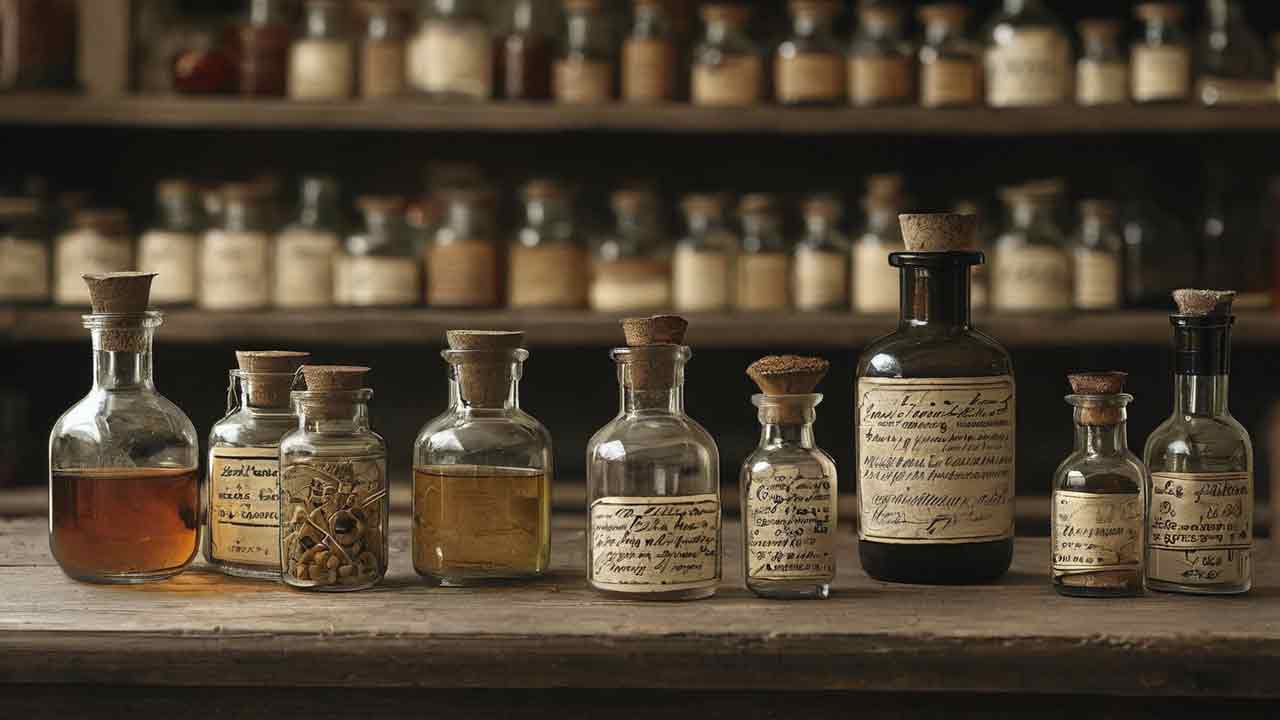
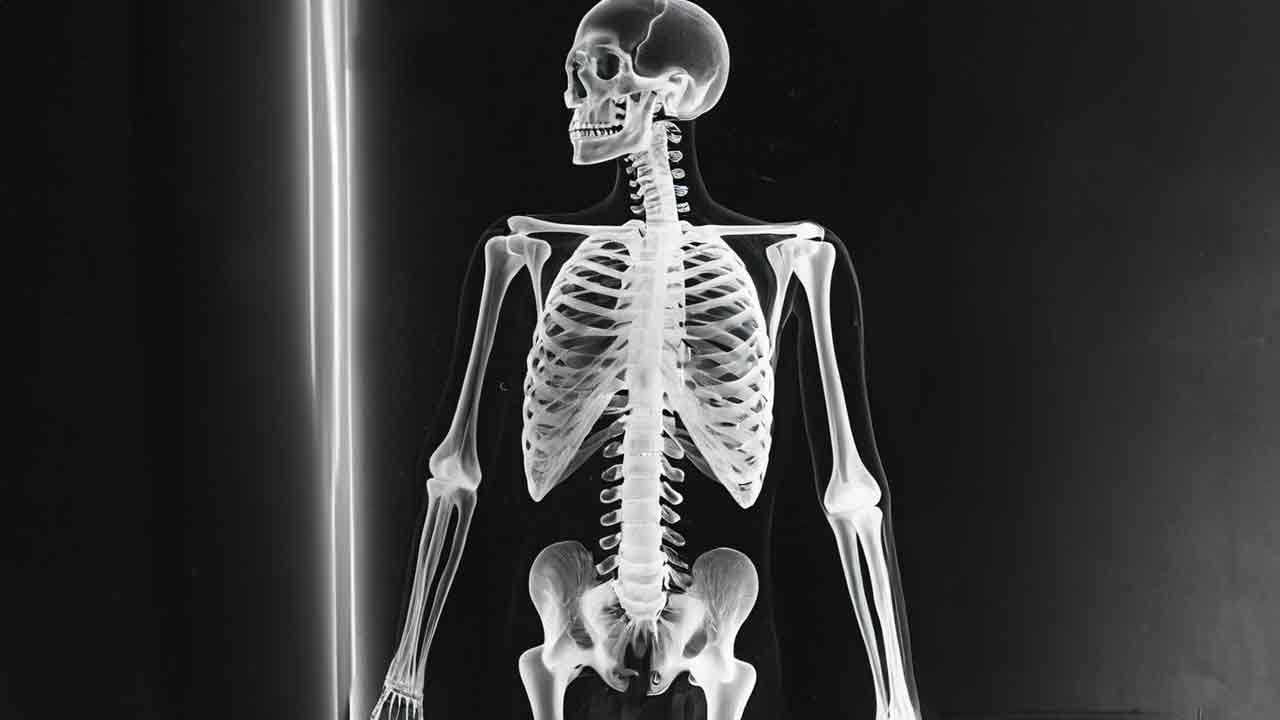
- Medicine in the 18th and 19th Centuries: Edward Jenner’s development of the smallpox vaccine in 1796 and the establishment of preventive medicine, along with the germ theory of disease pioneered by Louis Pasteur and Robert Koch, revolutionized the understanding of infectious diseases. The invention of the stethoscope by Laennec and the development of X-rays by Wilhelm Röntgen also occurred during this period. Information Sources: Porter, R. (1997). The Greatest Benefit to Humanity: A History of Human Medicine. WW Norton & Company. / Waller, J. (2006). The Amazing Science: Fact and Fiction in the History of Scientific Discovery. Oxford University Press. / Bynum, WF (2008). A Short Introduction to the History of Medicine. Oxford University Press.
- Medicine in the 20th Century: This period includes the discovery of penicillin by Alexander Fleming, the development of vaccines against diseases such as polio, measles, and mumps, advances in medical imaging including the development of X-ray, CT, MRI, and ultrasound, the discovery of the DNA double helix by Watson and Crick (founding the basis of genetic medicine), and the eradication of smallpox in 1980. Information Sources: Lederberg, J. (2000). The History of Infectious Diseases. Science, 288(5464), 287–293. / Mukherjee, S. (2010). The Emperor of All Maladies: A Biography of Cancer. Simon and Schuster. / Weatherall, D. (1990). The Inhumanity of Medicine: Ethics Against Bureaucracy. British Medical Journal.

- 21. Yüzyıl ‘da Tıp : Kanser Tedavisi , Gen düzenleme ve Kök Hücre Tedavisi ve benzeri tedaviler bu dönemdedir ve gelişmeyede devam etmektedir…
İlk sağlık turizmi tesisi
A thermal spa was established by the Sumerians around 4000 BC. This indicates that some medical treatments were provided there. Many documents written on papyrus by the Egyptians contain medical information. To give some details, these documents show that civilizations living along the Nile and in the Delta traveled to different places for medical purposes and received treatment.
Greek civilization is considered to have made the most significant contribution to health tourism. The Temple of Asklepios in Izmir is thought to be the first health center. Many people came here for treatment, and there are other temples in the region that could be considered health centers.
Recent health tourism
With its foundations dating back to before Christ, Health Tourism has become a major sector in recent years thanks to the development of communication and transportation. In our country, it continues to grow day by day thanks to the competence of our doctors in their fields, the increase in tourism facilities, and the influence of the country’s historical past and culture.
To summarize, looking at the historical development of Health Tourism:
Health tourism is a field that has existed since the dawn of humanity and continues to develop and grow day by day.

