

Health Tourism and the Use of Artificial Intelligence (AI)
The use of Artificial Intelligence (AI) in health tourism has become quite popular recently. While its effects are high when used correctly, the risks are also high if used incorrectly. Let’s discuss this in more detail;
Live Support with Chatbot in Health Tourism
Your general communication channels can respond to potential clients’ communication requests at any time of day, answer questions quickly, create treatment plans, gather preliminary information, respond in the same language as written, schedule doctor appointments, provide treatment prices, and do almost everything a human can do. However, it is important to remember that it is not a human when using it.
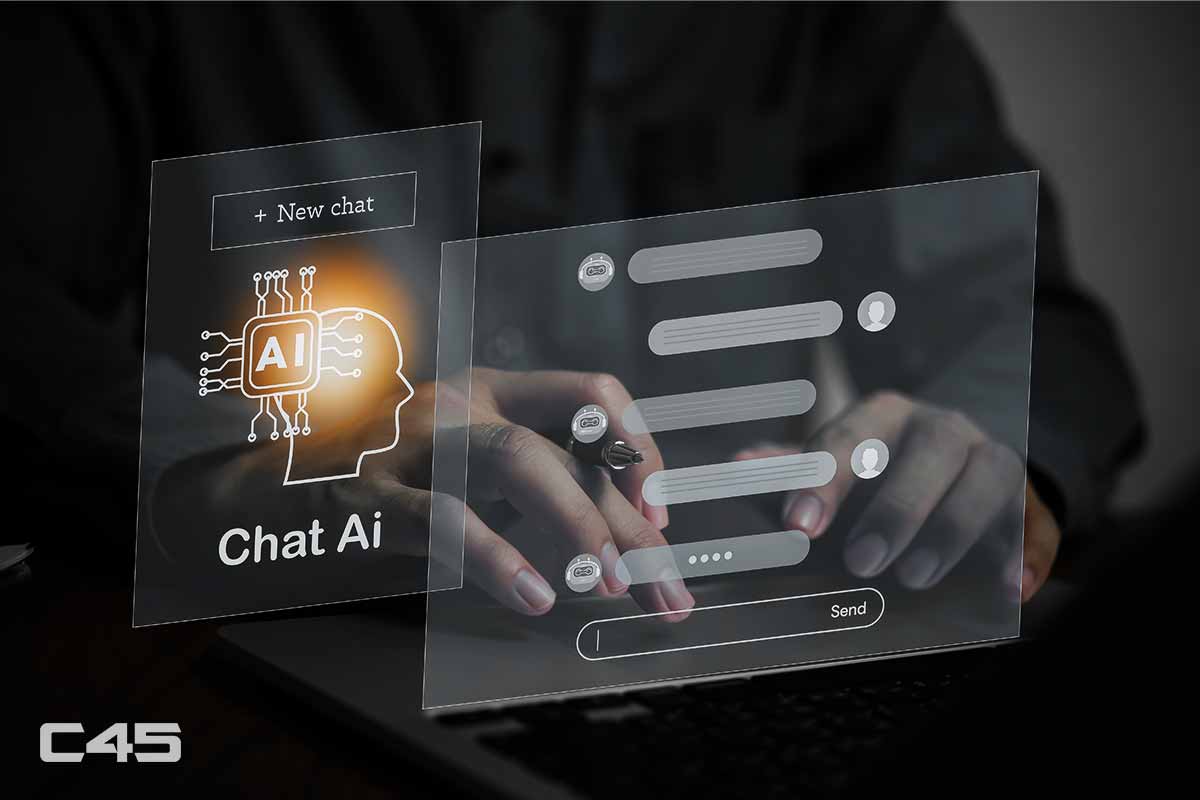
As for the disadvantages, the optimization of artificial intelligence in the process must be flawless. Since the subject is health, there are situations that require sensitive handling. Incorrect communication can seriously damage your brand. In general, the feeling that your potential customer is talking to artificial intelligence can create distrust, especially in the context of health. Chatbots should be used very carefully, and when used, it should be stated in the welcome message that it is a chatbot.
How does an AI-powered chatbot work?
The AI-powered chatbot operates using NLP (Natural Language Processing) technology. NLP is machine learning technology that gives AI the ability to interpret, understand, and process language. This technology allows the chatbot to establish communication in a way that is as close to human as possible.
Artificial Intelligence in Health Tourism CRM
In health tourism, this system is indispensable and offers significant benefits. The use of artificial intelligence in CRM (Customer Relationship Management) can simplify your life in areas such as patient tracking, customer analysis, before-and-after result analysis, treatment success rates, appointment scheduling, and accommodation and transfer reservations.
The use of Artificial Intelligence in CRM systems can provide many benefits in health tourism. You can find more detailed information about why the use of CRM in health tourism is important in our article on the subject.
By analyzing AI feedback on patient satisfaction, you can analyze areas where you are lacking or succeeding. You can conduct surveys with your patients, ask them to provide feedback for important platforms like Google and Trustpilot, and assign them tasks for many other needs.
You can also contact us for your visual video requests needed for monitoring your patients. You can upload the data sent by patients to the CRM system, thus saving time.
Diagnosis with Artificial Intelligence
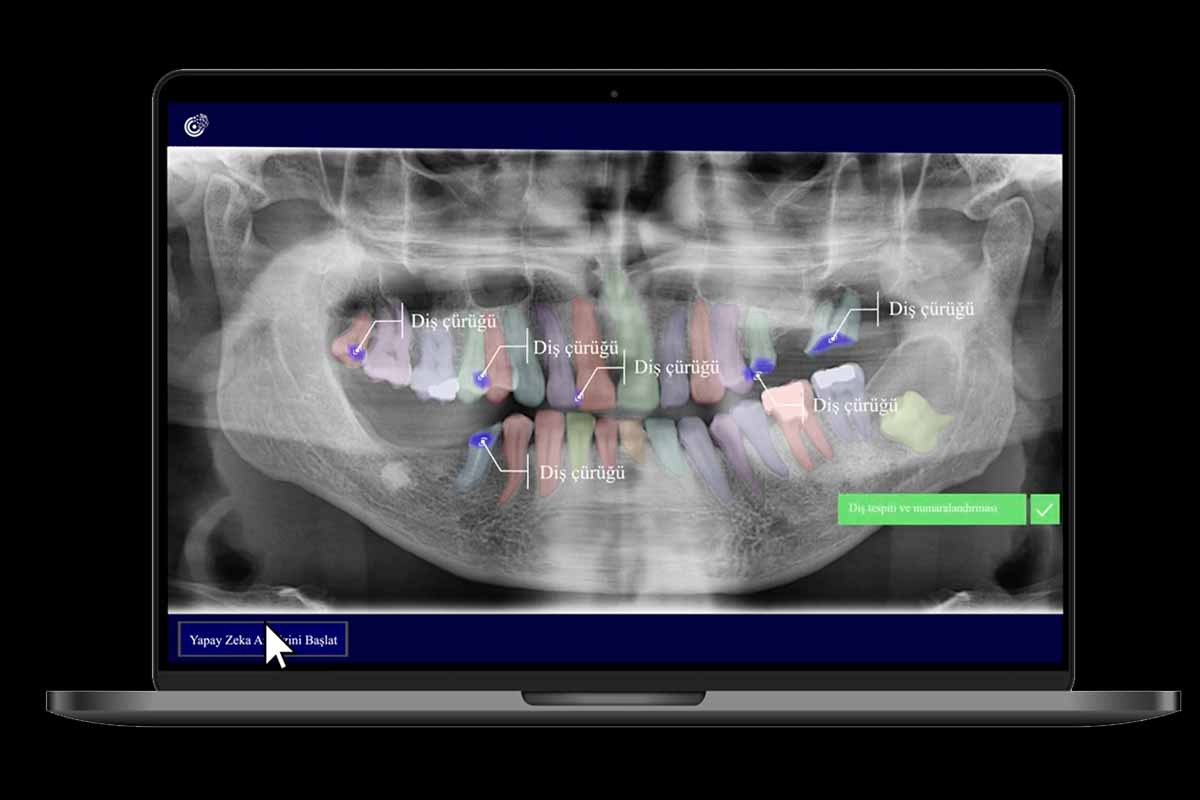
In health tourism, AI will generally focus on medical and dental treatments, which are the primary needs of future patients. It can pre-screen patients to determine their suitability for treatment. For example, it can calculate the BMI of a patient wanting gastric bypass surgery and inform them of their suitability.
Of course, it can also provide a treatment plan based on X-rays for dental treatment. These matters should be entirely under the consultation and control of the doctor. Its benefits can be significant when used correctly.
Patient Monitoring with Artificial Intelligence
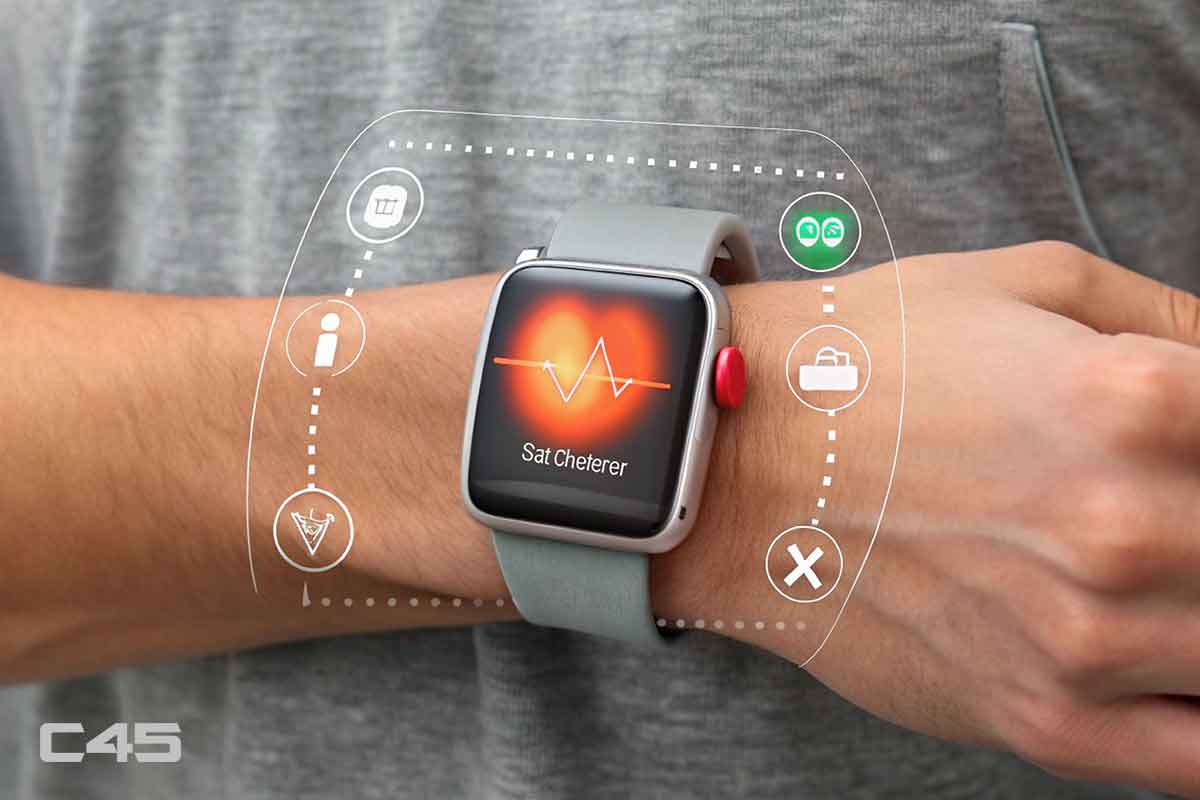
With artificial intelligence and wearable technologies, you can monitor your patient and keep real-time records. Patients are already monitored in the hospital after surgery until discharge; however, using artificial intelligence can contribute to their follow-up process when they return to their home country. You can continuously access real-time data; pulse, temperature changes/fever, sweating, muscle activity, etc.
You can receive the first notification in case of any abnormalities. Of course, optimization is also very important here. The use of artificial intelligence can contribute to the patient’s monitoring process.
In summary, when used correctly and optimized in areas such as patient communication, monitoring, treatment diagnosis, efficiency analysis, and satisfaction analysis, artificial intelligence contributes to health tourism. It can provide remote information about patients’ adverse symptoms and save time in diagnosis. Artificial intelligence has many benefits for health tourism, but when it comes to healthcare, it should be used by doctors.

